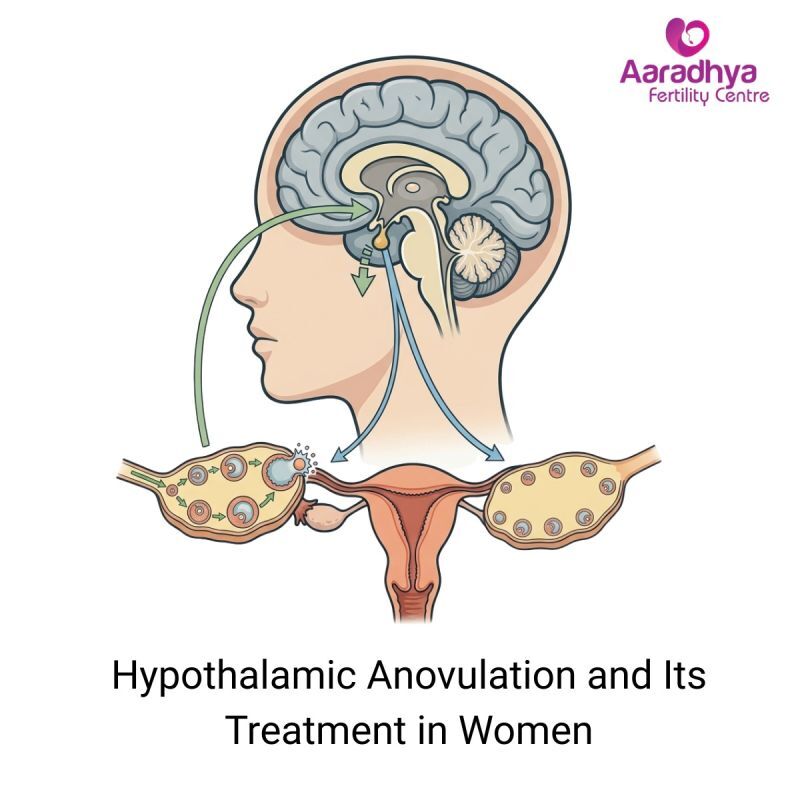
Hypothalamic Anovulation and Its Treatment in Women

Hypothalamic ovulatory disorders (HO) account for approximately 10% of all ovulatory disorders and are classified as WHO Group I anovulation. These disorders occur when the hypothalamus does not adequately stimulate the pituitary gland, resulting in reduced gonadotropin secretion and failure of ovulation. Causes: Common causes include: ·        Congenital conditions ·        Genetic...

Read More

Reproductive Risk with Increasing Age in Men

When we talk about fertility, the focus is usually on a woman’s age. But men’s age also matters. In women, increasing age is clearly linked to a higher risk of miscarriage. This happens mainly due to chromosomal abnormalities, where egg cells may have extra or missing genetic material (instead...

Read More
Fertility Preservation for male and females

Cryopreservation for Beginners

Fertility preservation is an area of immense interest in today’s society. The most effective and established means of fertility preservation is the cryopreservation of gametes (sperm and oocytes) and embryos. Cryopreservation is the process of storage of viable biological samples in a frozen state to preserve the cells and...

Read More
Common Signs of Miscarriage

Understanding Miscarriage and Ways you Can Prevent It

A miscarriage is a pregnancy that has ended unexpectedly. Also known as spontaneous abortion, a miscarriage is usually not preventable. This is because the factors leading to most miscarriages like fetus development problems and chromosomal abnormalities are unavoidable. However, there are some steps you can take for having a...

Read More